What a startup product launch strategy should achieve
A strong product launch strategy is more than about getting attention on day one. It is a actionable go-to-market strategy that unites your team around the right launch goals, the best-fit target audience, and a clear value proposition. For startups, especially in competitive markets, launch success depends on more than buzz. It depends on whether your message is easy to understand, your offer aligns with the market, and your funnel is built to turn interest into lead generation.
The best startup marketing plans begin with market fit research and competitive analysis. Before spending on promotion, define what problem your product solves, why it is distinct, and what proof you can show. That clarity enhances message clarity, builds brand awareness, and helps your team make better decisions about audience targeting.
A launch plan should map the user journey from first impression to purchase or demo request. That means planning for engagement across the conversion funnel, not just traffic. When your strategy includes content, search, paid channels, and follow-up automation, you create a more predictable path to qualified leads and scalable growth.
Why web design plays a role before the launch
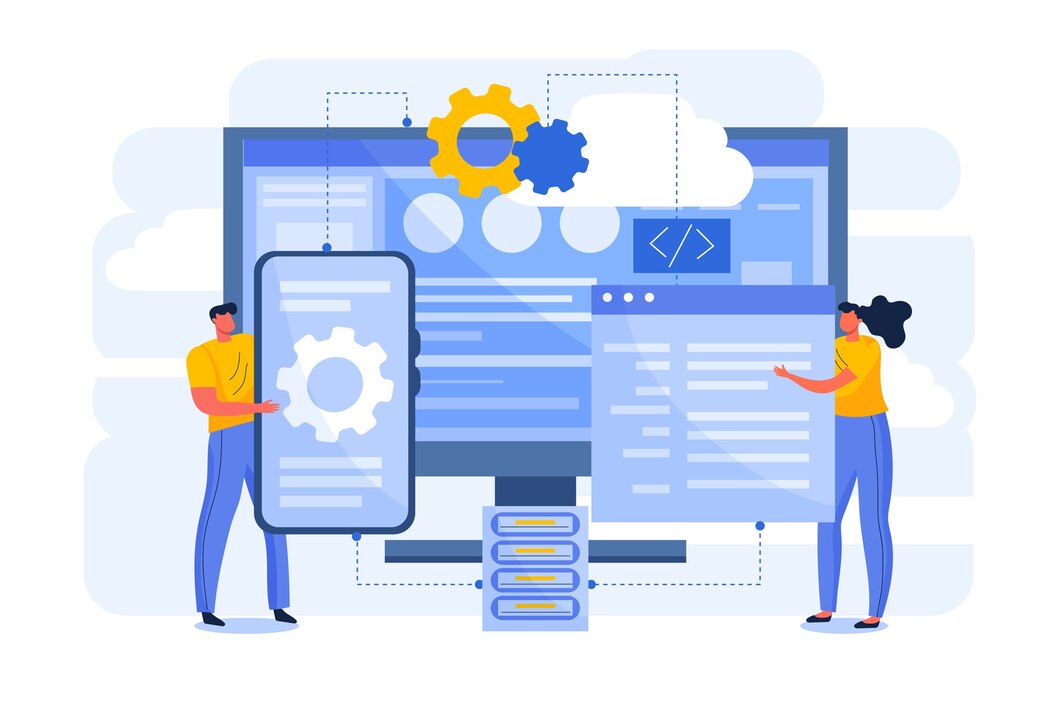
Well-planned web design is one of the most important pre-launch investments a startup can make. Your website is often the primary place prospects evaluate your product, and it needs to support launch visibility right away. A professional, fast, and simple site builds credibility, reduces friction, and helps visitors understand the product faster.
Your core landing pages should be designed for a single objective, such as collecting email signups, collecting demo requests, or driving early purchases. Strong conversion rate optimization starts with page structure: a compelling headline, concise benefit-driven copy, visual proof, and a strong call to action. Every element should support the visitor’s decision process.
Sunstone Digital Tech201 E Jefferson St, Syracuse, NY 13202
(315) 758-3349
https://maps.app.goo.gl/LNcnKZaUXSqxHPoT8
https://sunstonedigitaltech.com/
43.0471862, -76.1504376
Mobile responsiveness matters especially in startup launches because many prospects first discover a brand on their phones through search, social, or email. If your site loads slowly or breaks on smaller screens, you lose momentum in the conversion funnel. A launch-ready site should make lead capture easy, reduce distractions, and guide users toward a specific next step.
For startups in Syracuse, NY, site design should also account for regional expectations. Local buyers, university-affiliated audiences, and Central New York professionals may visit during commutes, lunch breaks, or between meetings. That means fast performance, tight messaging, and a strong product story that works in a short attention window.
Search engine optimization services that build launch presence
Effective SEO services enable a startup to attract organic traffic before and after launch. In contrast to short-term promotion alone, SEO builds discoverability around search intent, allowing for prospects to find your product when they are actively looking for a solution. For a startup, this can be one of the most cost-effective channels for long-term customer acquisition.
It starts with keyword research. Identify the phrases your audience uses when describing the problem, not just the product category. A well-planned launch keyword set should include direct product terms, pain-point language, and geo-modified queries like Syracuse-focused or Central New York-specific searches where relevant. This is especially useful for local SEO and for connecting with regional buyers who want a nearby provider or support network.
Technical SEO is equally essential. Search engines need a crawlable site with clean architecture, proper metadata, fast page speed, and secure, accessible pages. If your site is difficult to index or technically unstable, your launch visibility will suffer no matter how strong the product is.
Content optimization helps turn launch pages, blog posts, and supporting assets into discoverable entry points. Use the main keyword naturally, answer common objections, and create content that matches what users expect to see at each stage of the user journey. Strong launch content improves both rankings and trust, especially when paired with well-structured content marketing that supports the product narrative.
Online advertising channels to focus on for new ventures
A startup launch should use internet advertising as a coordinated system, not a mix of disconnected tactics. The strongest approach is a cross-channel plan that combines visibility, lead creation, and conversion assistance. For the majority of startups, the first channels to focus on are email outreach, advertising campaigns, and social marketing.
Email marketing is essential for keeping early adopters informed. It is one of the most effective ways to nurture warm leads, announce launch milestones, and move subscribers toward conversion. Use pre-launch emails to create excitement, post-launch emails to boost demo requests or purchases, and follow-up sequences to reactivate people who showed interest but did not act.
Paid advertising can accelerate launch visibility when used carefully. Search ads are powerful because they align with high-intent queries and can quickly capture qualified leads. Social ads are effective for brand awareness, retargeting, and showcasing product benefits to a larger audience. The goal is not just traffic; it is cost-effective customer acquisition tied to measurable performance metrics.
Social marketing helps startups share the story behind the product and build early engagement. Use it to share proof points, launch countdowns, founder insights, and behind-the-scenes development updates. Social content also improves message clarity and gives you a direct way to test how audiences respond before scaling spend.
The best channel mix depends on your audience, your budget, and your timing. A startup with a lengthier sales cycle may rely more on email, SEO, and retargeting. A consumer-facing launch may need more social reach and stronger paid promotion. The right mix is the one that supports lead generation without wasting budget on channels that do not match the buyer journey.
In what way the AI experts can enhance planning a launch and implementation
AI experts can improve almost every part of launch preparation when they are involved early on. For early-stage companies, this usually means using data-driven automation to refine targeting, strengthen content execution, and respond more quickly to performance signals. AI is most useful when it supports decisions, not when it substitutes for strategy.
Marketing automation can simplify repetitive launch tasks such as prospect nurturing, follow-up emails, behavior-based tagging, and internal notifications when a prospect takes action. This allows the team to stay focused on more important work while ensuring no lead slips through the cracks. It also enhances lead capture by sending the right message at the right time.
Predictive analytics helps startups spot which segments are most likely to buy, which messages are underperforming, and where demand may grow. That insight is useful in a launch because it reduces guesswork. Instead of reacting late, the team can fine-tune campaigns based on early performance metrics.
Customer segmentation is another area where AI can be highly effective. Startups often assume they have one broad audience, but launch success usually depends on knowing which segments respond to which value proposition. AI-driven segmentation can reveal differences in intent, participation, and customer behavior, making audience targeting more precise and helping campaigns scale with greater efficiency.
Building product launch materials that turn curiosity into responses
Most effective launch campaigns are powered by materials that guide prospects from awareness to action. That is where lead magnets, case studies, demo requests, and a clear call to action become essential. Every asset should support a specific stage in the buyer journey and allow the prospect feel confident enough to make the next step.
Lead magnets work best when they address a minor but important problem tied to your product. As an example, a startup might offer a checklist, a short guide, a template, or a diagnostic tool in exchange for contact information. These assets improve lead generation and offer you a reason to continue the conversation after the first visit.
Case studies build trust by showing how the product performs in practical settings. Startups often do not have a long track record, so even early proof points count. A simple customer story, pilot result, or testimonial can reduce uncertainty and improve conversion rate optimization on your landing page.
Demo requests are effective for products with a higher consideration phase. Make the process frictionless and explain what the visitor will get. The best demo flows are brief, clear, and focused on value, not complexity. Every request form should facilitate lead capture without asking for irrelevant information.
Your call to action must be visible and value-focused. Whether you want people to register, book a demo, or join a waitlist, the next step should be clear and aligned with the user journey. Strong launch assets do not just inform; they convert.

Syracuse, NY market considerations for startup launches
A startup launching in Syracuse, NY should think in terms of the broader Central New York ecosystem, not just the city itself. The region includes a mix of university communities, healthcare, manufacturing, professional services, and growing innovation networks. That mix creates opportunities for strategic partnerships, pilot programs, and focused B2B or B2C messaging.
Local startups can take advantage of local partnerships with Syracuse-area universities, incubators, entrepreneurship networks, and community organizations that support early-stage companies. These relationships can provide legitimacy, mentorship, access to test audiences, and introductions to potential customers or investors. For a launch, that kind of regional support can strengthen both brand awareness and market fit.
Search behavior in the area also matters. Prospects often use Syracuse-focused and Central New York geo-targeted keywords when looking for a service, software solution, or local vendor. That makes local SEO especially important. A startup should optimize for nearby intent, regional industry terms, and location-specific landing pages when relevant.
Seasonality and commuter patterns should also shape launch timing and message framing. In Syracuse, weather, school schedules, university calendars, holiday travel, and regional business cycles can all affect engagement. A launch timed around a local event, semester change, or seasonal buying pattern may perform better than one scheduled without considering the regional audience. The best campaigns adapt content, email timing, and paid advertising to when Central New York buyers are most likely to respond.
Tracking launch results and refining after the first day
Launch day is the kickoff of refinement, not the finish of preparation. Startups should set the right KPIs before the campaign goes live so that the team can measure what is working in real time. Those metrics might include traffic, demo requests, conversion rates, email signups, cost per lead, and engagement across channels.
Analytics provide the foundation for more informed decisions. Set up reporting that shows where visitors come from, which pages they view, how long they stay, and where they drop off. This helps identify bottlenecks in the user journey and reveals where the conversion funnel needs improvement.
Conversion tracking is non-negotiable. If you cannot measure form fills, clicks, signups, or purchases accurately, you cannot optimize intelligently. Every major action should be tracked so you can compare channel performance and understand how your web design, SEO services, and digital marketing work together.
A/B testing should start quickly after launch. Test headlines, calls to action, page layouts, form length, subject lines, and ad creative. Small changes can uncover meaningful patterns in behavior and improve conversion rate optimization over time. The goal is to keep refining based on evidence, not assumptions.
Frequent startup launch mistakes to avoid
One of the most common mistakes is messaging mismatch. If your ads, website, and sales conversations all sound different, prospects will lose trust. Consistency matters because it reinforces message clarity and helps visitors understand the value proposition without confusion. When the message changes from one channel to another, conversion typically drops.
Weak positioning is another challenge. If your product sounds like every competitor, it becomes harder to stand out. Startups need a sharp point of view about who the product is for, what problem it solves, and why it is better. Without that, even strong digital marketing cannot compensate for a blurry offer.
An scattered budget can also hurt launch performance. Startups often spread spend too broadly across far too many channels, leaving no channel with enough backing to work. A better strategy is to prioritize the few tactics most likely to generate qualified leads and then scale based on analytics and performance metrics.
Poor timing can derail momentum as well. Launching too early can create a poor first impression if the site, messaging, or fulfillment is not ready. Launching after the right moment can waste demand or let competitors fill the gap. The right timing balances readiness, seasonal behavior, and available audience attention. For Central New York startups, it is also wise to consider local academic calendars, commuting patterns, and regional business events when deciding when to go live.
Frequently Asked Questions: Product launch digital marketing strategy for startups
What is the best digital marketing strategy for a startup product launch?
The best strategy combines a clear product launch strategy, strong web design, SEO services, digital marketing, and follow-up systems that support lead generation. Start with a focused go-to-market strategy, build a landing page that converts, use keyword research to capture search intent, and run a multi-channel strategy with email marketing, paid advertising, and social media marketing. The goal is to create launch visibility, qualify leads, and move prospects through the conversion funnel.
How do web design and SEO services support a new product launch?
Web design and SEO services https://oswego-ny-fl942.almoheet-travel.com/downtown-syracuse-parking-guide-and-pricing work together to improve both first impressions and discoverability. A strong landing page with conversion rate optimization makes it easier to capture leads, while technical SEO, content optimization, and keyword research help the site earn organic traffic. Together, they support the user journey from search to action and strengthen market fit by matching what people are looking for.
When should startups start marketing before a launch date?
Startups should begin marketing well before launch so there is time to raise awareness, test messaging, and collect early interest. In many cases, startup marketing should start several weeks or even months ahead, depending on the complexity of the product and the sales cycle. This gives you time for email marketing setup, content marketing, audience targeting, and pre-launch lead capture before the official release date.
How can AI experts improve a startup launch campaign?
AI professionals can enhance launch planning by using campaign automation, forecasting analytics, and market segmentation to make campaigns more efficient. They can identify the best audience segments, set up follow-up, and review performance metrics to improve campaign refinement. This creates a more agile launch process and helps startups make more informed decisions about customer acquisition and budget allocation.
What local marketing tactics work best for startups in Syracuse, NY?
For startups in Syracuse, NY, the best-performing local marketing tactics often include geo-local SEO, geo-targeted search campaigns, regional targeting messages, and collaborations with local organizations across Central New York. Working with Syracuse-area universities, incubators, and entrepreneurship networks can increase reach and credibility. It also helps to coordinate launch timing and messaging with seasonal, commuter, and regional buying patterns that influence local engagement.